Solar vs Inverter: Which Power Backup Solution Is Right for You?
The debate between solar power and traditional inverters is one of the most common questions homeowners face today. With rising electricity costs and frequent power cuts, making the right choice can significantly impact your comfort and wallet.
This comprehensive guide compares both solutions to help you make an informed decision based on your specific needs, budget, and long-term goals.
Understanding Both Systems
Traditional Inverter System
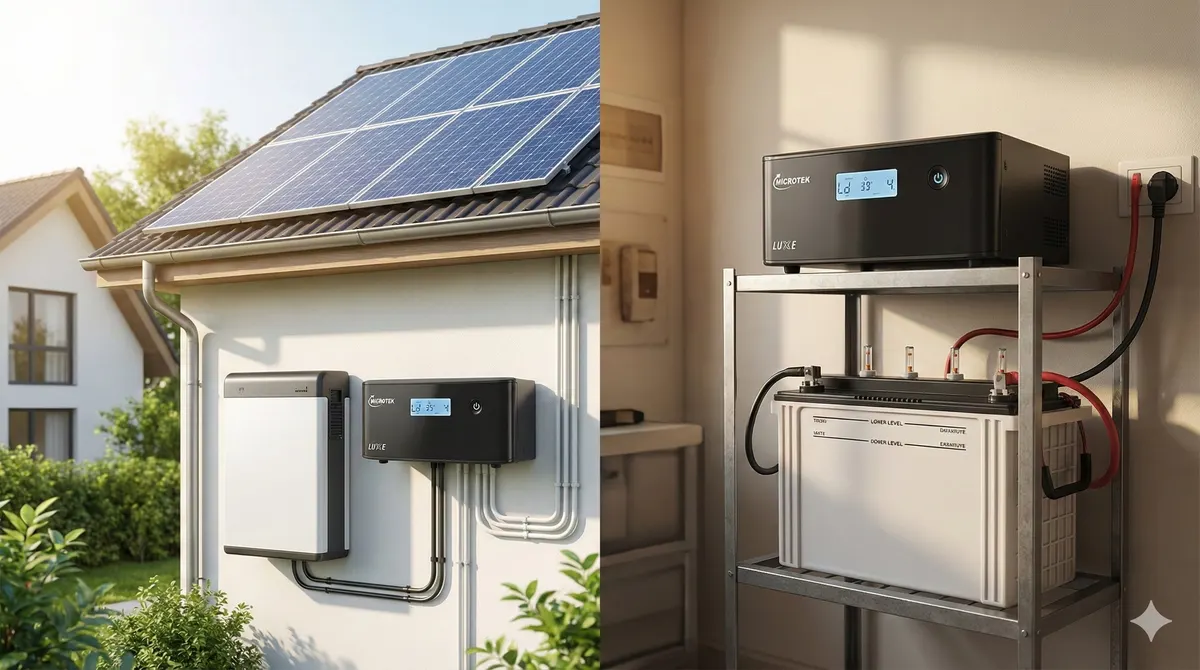
A conventional inverter setup consists of an inverter unit and battery that stores grid electricity and provides backup during power cuts.
- How it works: Charges battery from grid electricity, switches to battery during outages
- Power source: 100% dependent on grid electricity
- Typical cost: ₹15,000-₹25,000 for 1500VA system with 150Ah battery
- Maintenance: Battery replacement every 4-5 years
Solar Power System
A solar system includes solar panels, solar inverter, and batteries (optional) that generate electricity from sunlight and can work with or without grid connection.
- How it works: Generates electricity from sunlight, stores excess in batteries, feeds to grid if connected
- Power source: Renewable solar energy + grid backup
- Typical cost: ₹60,000-₹80,000 per kW installed
- Maintenance: Minimal; panel cleaning 2-3 times yearly
Head-to-Head Comparison
| Factor | Traditional Inverter | Solar System |
|---|---|---|
| Initial Cost | ₹15,000-25,000 | ₹2,50,000-3,50,000 (5kW) |
| Electricity Bill | No reduction | 70-90% reduction |
| Backup During Day | Limited by battery | Unlimited (when sun shines) |
| ROI Period | N/A (running cost) | 4-6 years |
| Lifespan | Battery: 4-5 years | Panels: 25+ years |
The Hybrid Solution: Best of Both Worlds
Can't decide? A hybrid solar inverter system combines the benefits of both traditional inverters and solar power.
How Hybrid Systems Work:
- Daytime: Solar panels power your home and charge batteries
- Excess power: Exported to grid (net metering) or stored in batteries
- Night time: Batteries provide backup power
- No sun/low charge: System automatically switches to grid power
Which Solution Is Right for You?
Choose Traditional Inverter If:
- ✅ Budget is limited (under ₹30,000)
- ✅ You're in rented accommodation
- ✅ Only need backup during occasional power cuts
- ✅ Electricity bills are low (under ₹1,500/month)
- ✅ Limited roof space or shading issues
Choose Solar System If:
- ✅ Own your home with good roof access
- ✅ High electricity bills (₹3,000+ per month)
- ✅ Can invest ₹2-3 lakhs upfront
- ✅ Want to reduce carbon footprint
- ✅ Planning to stay 5+ years
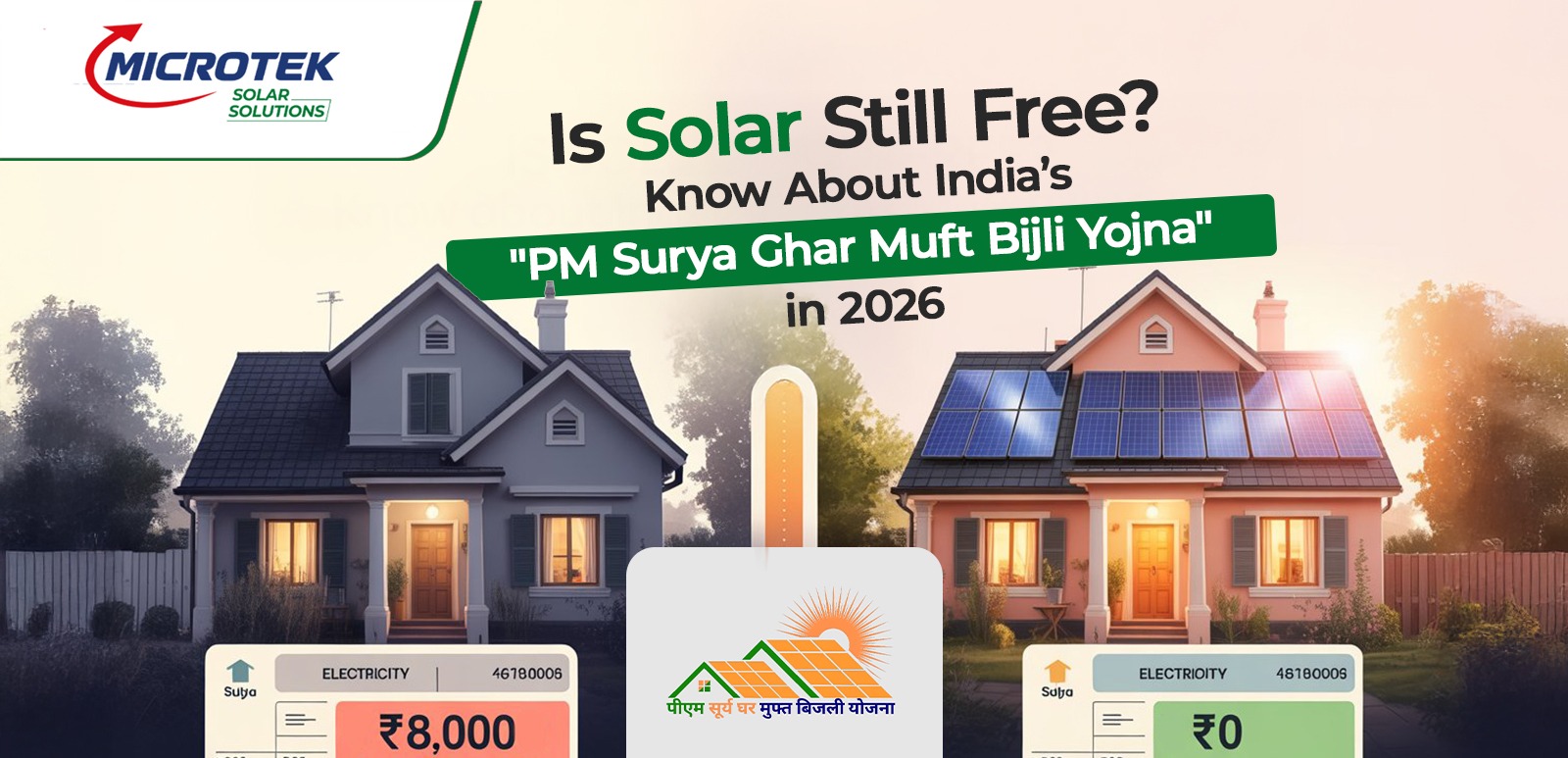
Government Incentives for Solar (2025)
The Indian government actively promotes rooftop solar installations through various schemes:
- Central subsidy: 40% for systems up to 3kW, 20% for 3-10kW
- Net metering: Sell excess power back to grid
- Tax benefits: Depreciation benefits for commercial installations
- Low-interest loans: Available through select banks
- State incentives: Additional benefits vary by state