Solar Power vs Traditional Grid Electricity: Which Is Cheaper in the Long Run?
With electricity tariffs rising every year, many homeowners are rethinking their dependence on traditional grid power. Solar energy has emerged as a cost-effective and reliable alternative. This guide compares solar power and grid electricity to help you understand which option delivers better value over the long term.
How Grid Electricity Pricing Works
Grid electricity in most Indian states follows a slab-based tariff system — the more you consume, the higher the per-unit rate. Tariffs have historically risen 3-7% annually, and this trend is expected to continue as fuel costs and infrastructure investment increase.
How Solar Power Costs Compare
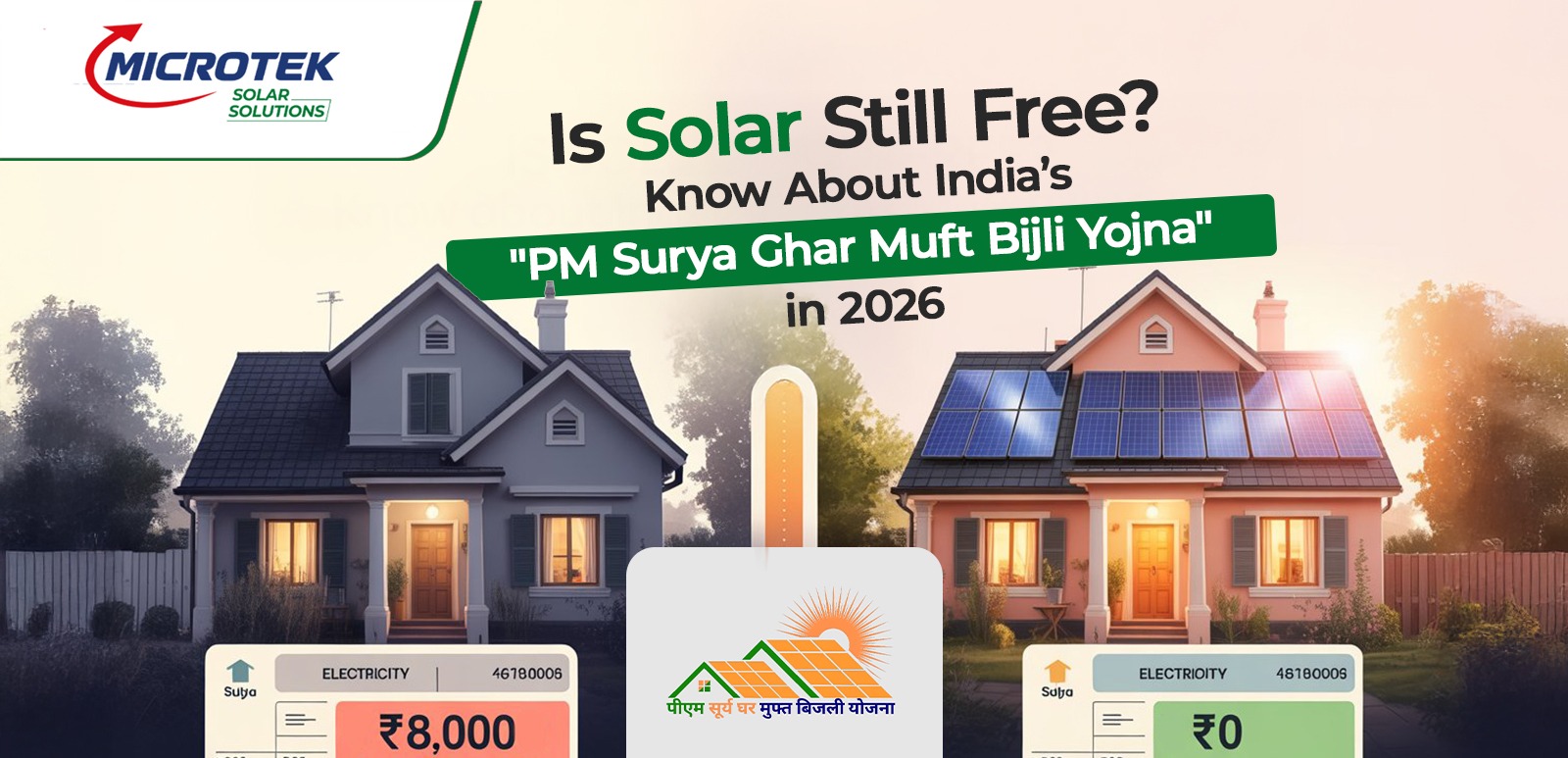
Once a rooftop solar system is installed, the "fuel" — sunlight — is free. Your only ongoing costs are minimal maintenance (panel cleaning, occasional inverter servicing) and, if applicable, battery replacement for hybrid systems.
25-Year Cost Analysis
| Factor | Grid Electricity | Rooftop Solar |
|---|---|---|
| Upfront Cost | None | ₹1.5–3.5 lakh (after subsidy) |
| Annual Cost Trend | Rises 3–7% yearly | Nearly flat (maintenance only) |
| Payback Period | N/A | 4–6 years |
| 25-Year Savings | — | Often 3–5x the system cost |
Factors That Affect Your Payback Period
- Roof orientation and shading: South-facing, unshaded roofs generate the most power
- Local tariff rates: Higher grid tariffs mean faster payback
- Subsidy eligibility: Central and state subsidies reduce upfront cost significantly
- Net metering availability: Selling surplus power back to the grid improves returns
- System quality: Efficient panels and inverters degrade slower and produce more over time
Beyond the Numbers: Other Benefits of Solar
- Protection against future tariff hikes
- Reduced dependence on grid stability
- Lower carbon footprint
- Increased property value
Bottom Line:
Over a 25-year horizon — the typical lifespan of solar panels — solar power is almost always cheaper than staying fully dependent on grid electricity, especially as tariffs continue to climb.