Solar Panel Installation Guide for Home: Step-by-Step Process
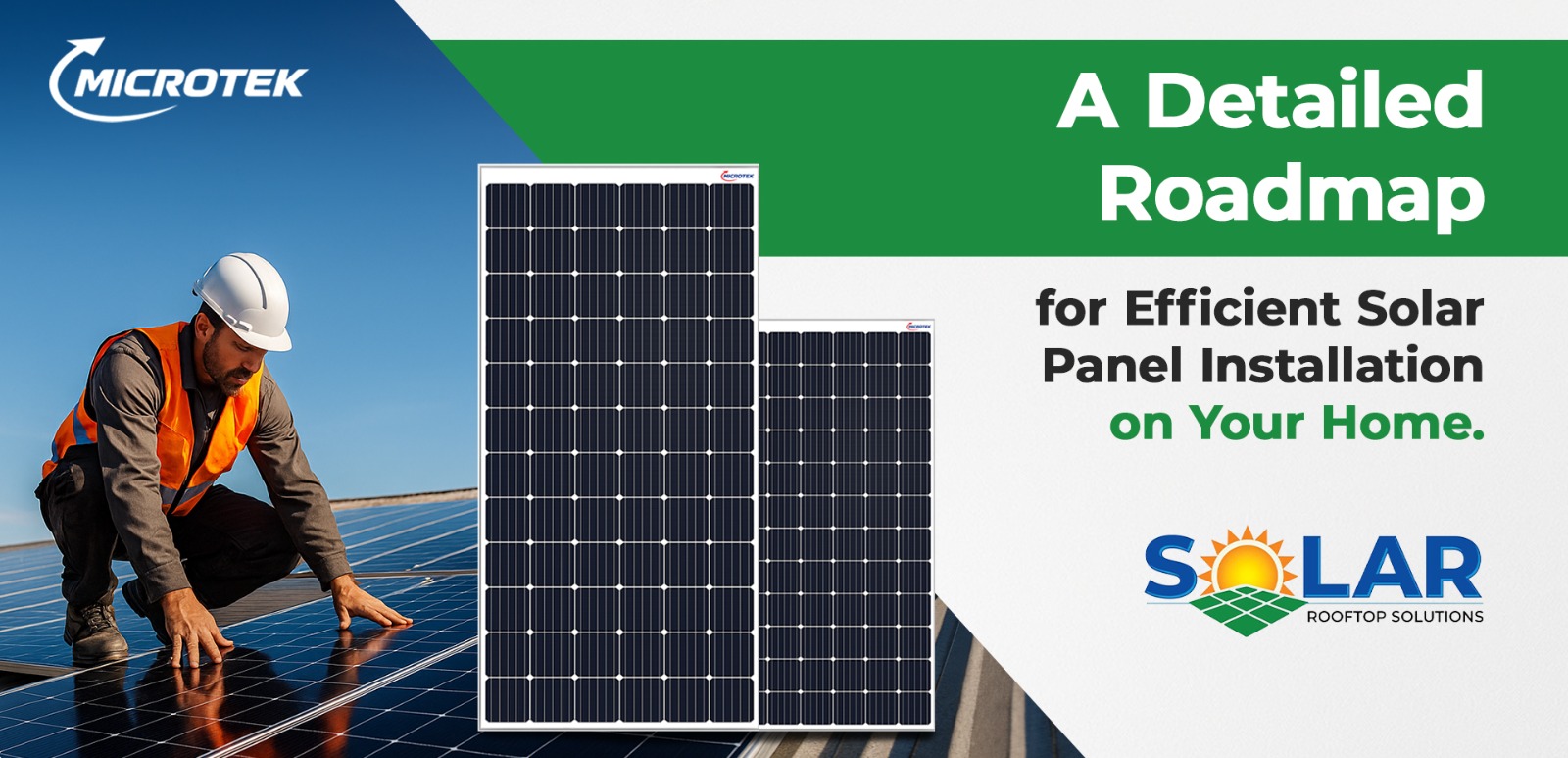
Installing solar panels is one of the best long-term investments a homeowner can make — but the process involves more than just placing panels on a roof. Here's what actually happens from the first site visit to your first unit of solar power.
Step 1: Site Assessment
An installer evaluates your roof's orientation, shading, structural strength and available area. South-facing roofs with minimal shading generate the most power in the Indian context.
Step 2: System Sizing
Based on your average monthly electricity bill and roof space, the installer recommends a system size (in kW) that balances your consumption with your budget and subsidy eligibility.
Step 3: Choosing Panels and Inverter
- Panel type: Monocrystalline panels offer the best efficiency per square foot
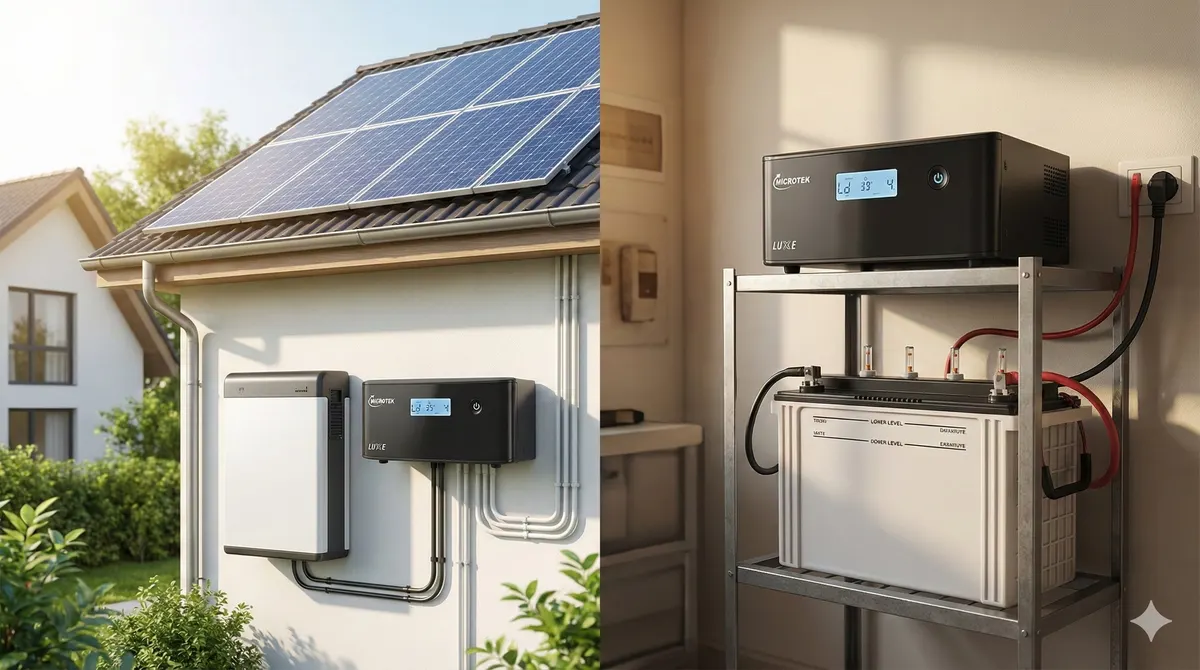
- Inverter type: On-grid, off-grid or hybrid, based on whether you want battery backup
- Mounting structure: Rooftop racking rated for local wind loads
Step 4: Approvals and Net Metering Application
Your installer typically handles the net metering application with your local DISCOM, along with any subsidy paperwork under applicable government schemes.
Step 5: Installation Day
- Mounting structure fixed to the roof
- Panels installed and wired in series/parallel strings
- Inverter mounted in a ventilated, shaded location
- DC and AC wiring connected with proper earthing
- System tested for output and safety
Step 6: Inspection and Commissioning
The local electricity board inspects the installation before a net meter is installed and the system is officially commissioned.
Timeline:
A typical residential rooftop installation, from site survey to commissioning, takes 2–4 weeks depending on DISCOM approval timelines.
Common Installation Mistakes to Avoid
- Undersizing the system to save on upfront cost, then facing low savings
- Ignoring shading from trees or neighbouring buildings
- Skipping proper earthing and lightning protection
- Choosing an installer with no local service presence
Frequently Asked Questions
Q. How much roof space do I need?
Roughly 100 sq ft per kW of solar capacity for standard monocrystalline panels.
Q. Can solar panels be installed on any roof type?
Most flat, sloped, RCC and metal roofs can support solar with the right mounting structure. A structural check is recommended for older buildings.