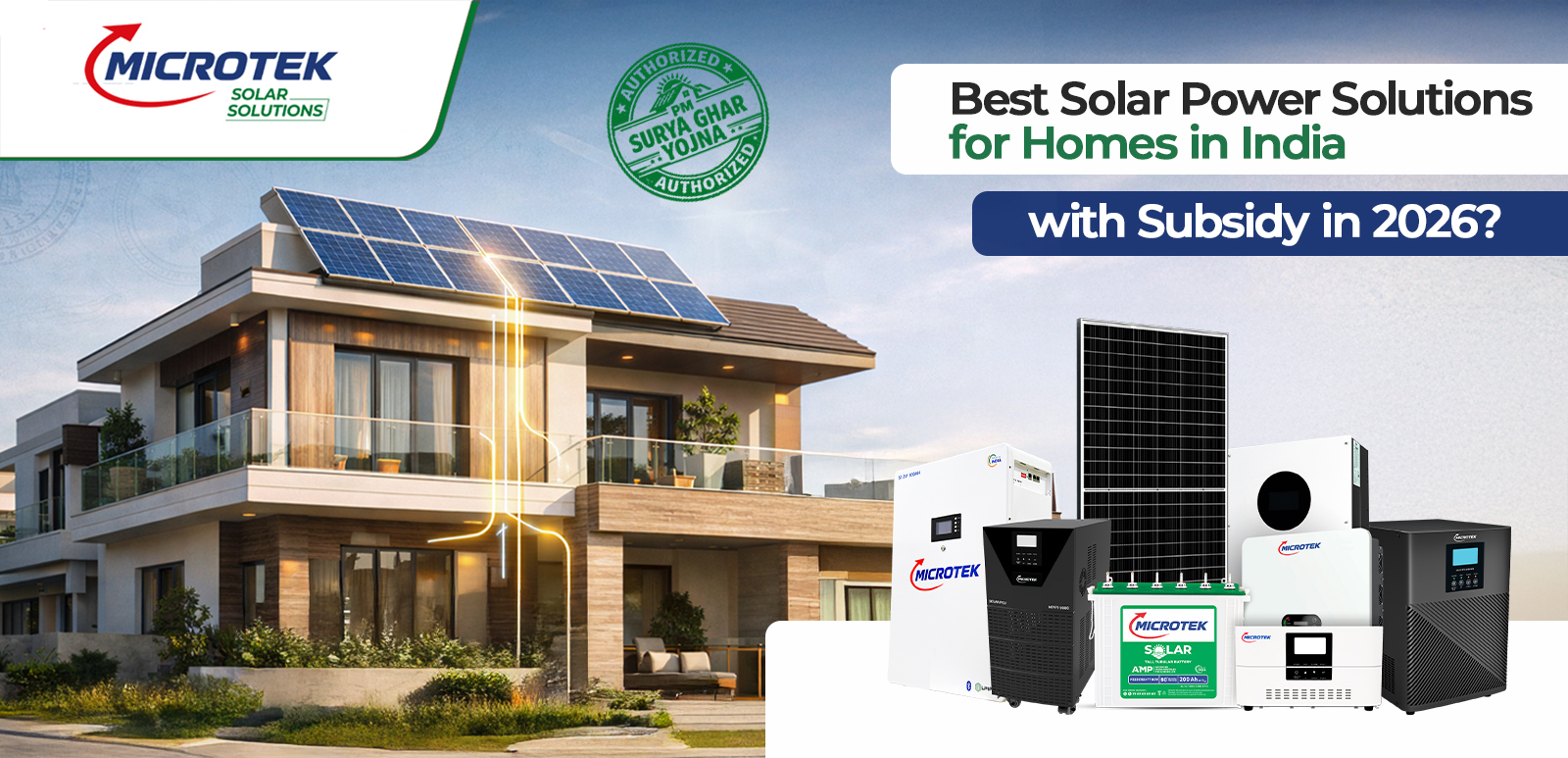
Best Solar Power Solutions for Homes in India with Subsidy in 2026
Rising electricity costs, frequent power outages and strong government incentives have made 2026 an excellent year for Indian households to switch to solar power. With subsidies available under the PM Surya Ghar scheme and prices for solar equipment continuing to fall, going solar is more accessible than ever.
Why 2026 Is a Great Year to Go Solar in India
- Government subsidies: The PM Surya Ghar: Muft Bijli Yojana provides central financial assistance to reduce installation costs for eligible households
- Falling equipment costs: Solar panel and inverter prices have decreased significantly over the past three years
- Net metering: Most states now allow homeowners to sell surplus solar power back to the grid
- Low-interest loans: Collateral-free solar loans are available through empanelled banks
- Rising electricity tariffs: Every year of solar delay means more money paid for grid electricity
Types of Solar Power Solutions for Indian Homes
Rooftop On-Grid Solar System
The most popular and subsidy-eligible option. Panels are installed on the roof, and electricity is consumed in the home first, with surplus exported to the grid through net metering. No batteries required, which keeps costs lower.
Best for:
Homes with consistent grid availability, low power cut frequency and high daytime electricity consumption.
Off-Grid Solar System
Completely independent from the electricity grid. Uses solar panels and a battery bank to supply all power needs. Best for locations with unreliable or absent grid connections.
Best for:
Rural areas, remote locations or homes that experience very long and frequent power outages.
Hybrid Solar System
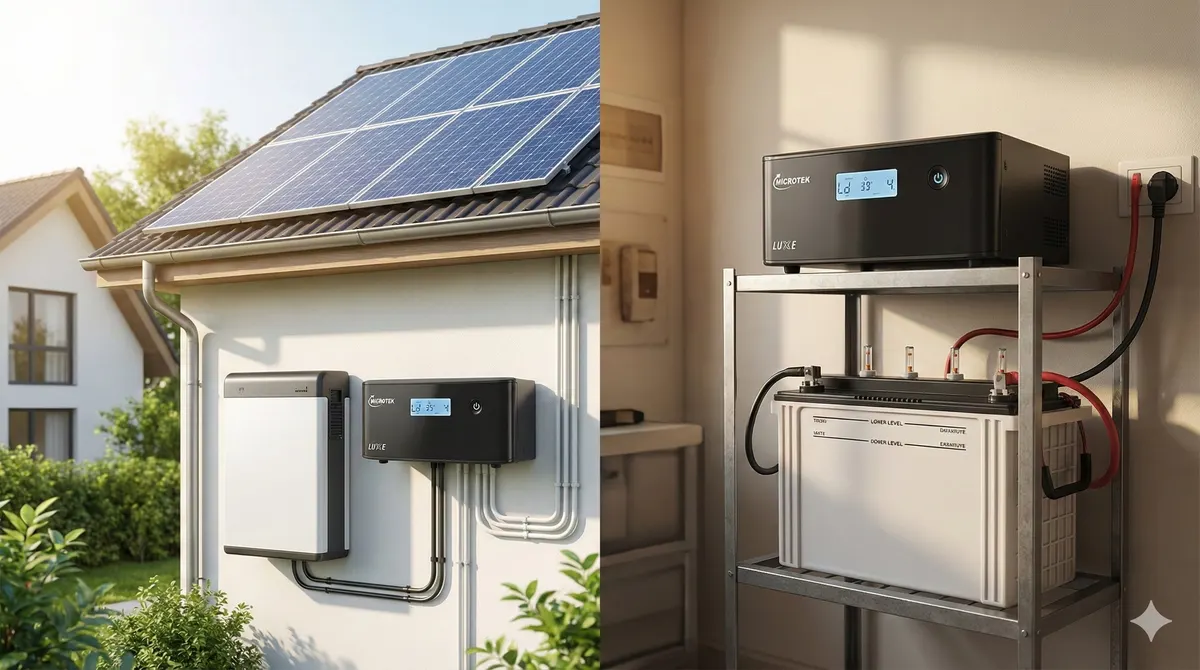
Combines solar panels, battery storage and grid connection for the most complete solution. Uses solar first, stores surplus in batteries, draws from the grid when needed and provides backup during outages.
Best for:
Urban and semi-urban homes that want maximum electricity savings, backup during outages and the option to benefit from net metering.
Understanding the Available Subsidies in 2026
| System Capacity | Central Subsidy Level |
|---|---|
| Up to 3 kW | 40% subsidy |
| 3 kW to 10 kW | 20% subsidy on capacity above 3 kW |
| Above 10 kW | No central subsidy (commercial tariff) |
Additionally, many states offer their own subsidies on top of central assistance. Always check your state's solar energy department or DISCOM for the latest applicable rates.
How to Apply for Solar Subsidy
- Register on the national PM Surya Ghar portal (pmsuryagarh.gov.in)
- Enter details of your home, electricity connection and desired system capacity
- Select an approved solar vendor/installer from the empanelled list
- Get the system installed and inspected
- Submit completion documents through the portal
- Receive subsidy credit directly to your bank account
Choosing the Right Solar Equipment
Regardless of the system type, look for:
- High-efficiency solar panels: Monocrystalline panels offer the best performance per square metre of roof area
- MPPT-based inverters: Extract maximum energy from panels throughout the day
- Pure sine wave output: Safe for all modern appliances
- Quality solar batteries: For systems requiring storage (deep-cycle, long warranty)
- Strong after-sales service: Choose brands with service centres in your city
Expert Recommendation:
For most urban Indian homes in 2026, a 3–5 kW hybrid solar system with battery backup offers the best combination of subsidy eligibility, electricity savings and power backup reliability. Pair it with high-efficiency panels and an MPPT hybrid inverter for the best long-term results.
Frequently Asked Questions
Q. Can I get a subsidy on a hybrid solar system?
Yes — the PM Surya Ghar subsidy applies to rooftop solar installations including hybrid systems, subject to eligibility criteria and capacity limits.
Q. How long does it take to recover the investment in solar?
For most Indian homes, the payback period is 4–6 years for a hybrid system, after which savings are essentially free electricity for the 20+ year life of the panels.
Q. Can I install solar in an apartment?
Some states allow apartment residents to participate in group net metering or community solar schemes. Check with your local DISCOM for apartment-specific solar policies.