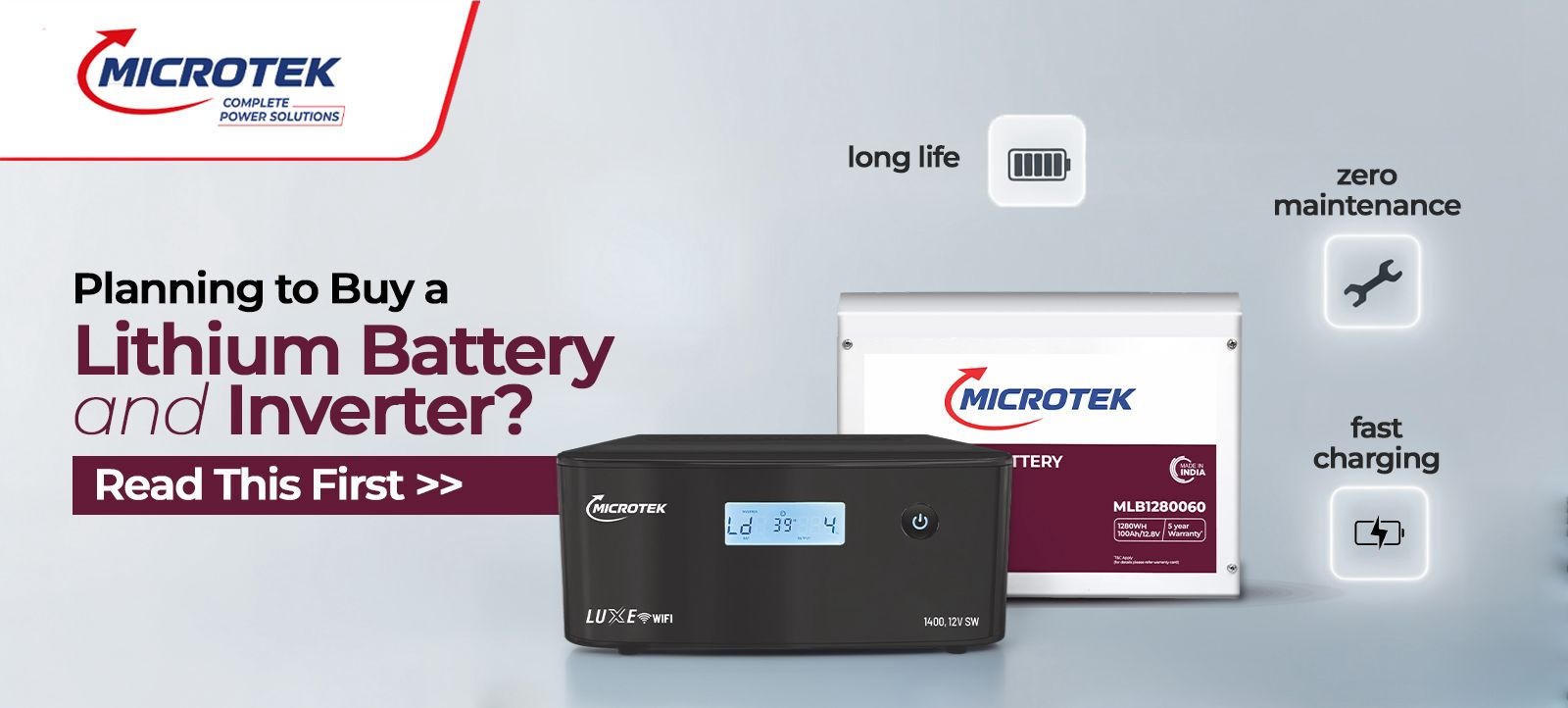
Planning to Buy a Lithium Battery and Inverter? Read This First
Today's homes rely on uninterrupted power more than ever. From remote work and online learning to entertainment and smart appliances, even a short outage can disrupt the rhythm of daily life. That is why homeowners are increasingly choosing lithium battery and inverter combinations — designed for faster charging, cleaner performance, and greater convenience than older backup systems.
What Makes a Lithium Battery Different
A lithium-ion battery is a modern energy storage solution built for reliable backup and long-term performance. Compared with conventional battery options, it charges faster, lasts longer, and requires far less maintenance.
It is also compact and lightweight, which makes it easier to install in apartments, modular homes, and spaces where every inch matters. For households that want efficiency without compromise, lithium is becoming the preferred choice.
Why Homeowners Are Switching to Lithium
- Faster charging — your backup is ready sooner after a power cut
- Longer life — strong cycle performance over 8–10 years
- Maintenance-free — no water topping or routine battery upkeep
- Compact design — ideal for space-conscious homes and apartments
- Stable power delivery — helps protect connected appliances
Which Inverter to Choose for a Lithium Battery
A great battery needs the right inverter to perform at its best. For lithium systems, compatibility, charging efficiency, and output quality are essential.
Pure sine wave inverters are a strong match because they deliver stable, clean power that supports sensitive electronics and improves overall backup quality. They are the right fit for:
- LED TVs
- Computers and laptops
- Wi-Fi routers
- Refrigerators
- Smart home devices
A pure sine wave inverter also helps ensure the battery charges efficiently and runs smoothly over time.
Features Worth Checking Before You Buy
Battery Management System (BMS)
A strong lithium battery should come with a BMS. This protects against overcharging, deep discharge, short circuits, and overheating — keeping your system safe and extending battery life significantly.
Fast Charging Support
Fast charging is one of the biggest advantages of lithium technology. This is ideal for homes with frequent power outages, where quick recharging between cuts makes a real difference.
Safety Protection
A premium backup solution should protect both your battery and your appliances. Look for overload protection, short circuit protection, and thermal management.
Space-Efficient Design
Lithium batteries take up less room and integrate more neatly into modern homes than bulkier alternatives — an important factor for apartments and compact living spaces.
Smart Buying Considerations
- Power requirement: Add up all appliances you want to run during an outage
- Battery capacity: Match capacity to the backup duration you need
- Charging speed: Check inverter compatibility for efficient charging
- Safety features: Prioritise BMS, thermal protection, and overload safeguards
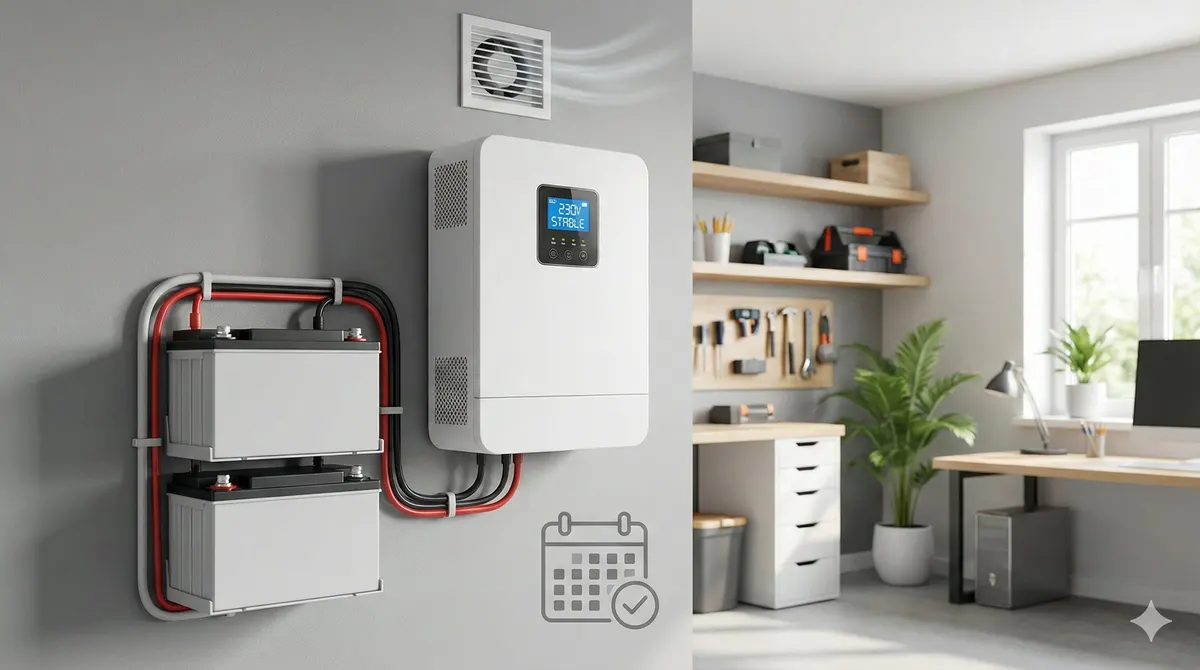
- Installation space: Make sure the battery can be placed safely and ventilated properly
- Future needs: Choose a setup that can scale with your household demand
Where It Fits Best
A lithium battery and inverter system is well suited for homes, apartments, home offices, work-from-home setups, entertainment systems, and smart appliances — anywhere that needs reliable backup without the maintenance hassle.
Conclusion:
If you want a modern power backup solution that feels cleaner, smarter, and easier to live with, a lithium battery and inverter combination is a compelling choice. Before you buy, compare your load, backup needs, inverter compatibility, and available space. The right combination will give you dependable backup and greater peace of mind every day.
Frequently Asked Questions
Q1. Is a lithium battery better than older battery types?
Yes. Lithium batteries generally offer faster charging, longer life, lower maintenance, and a more compact form factor than conventional lead-acid or tubular batteries.
Q2. Can any inverter be used with a lithium battery?
No. Lithium batteries perform best with compatible inverters designed for efficient charging and stable output. Always check inverter compatibility before purchasing.
Q3. How long does a lithium battery last?
Lithium batteries usually deliver 3,500–6,000 charge cycles, translating to 8–10 years of service under normal home use.
Q4. Are lithium batteries safe for home use?
Yes. Modern lithium batteries include BMS protection, overcharge safeguards, and temperature monitoring for safe indoor use.
Q5. Why is a pure sine wave inverter recommended?
It provides clean, stable power that protects sensitive appliances and improves backup performance — essential for modern electronics.
Ready to Upgrade to Lithium?
Browse our Microtek lithium battery range or speak to our experts for a personalised recommendation based on your home's power needs.