Top 5 Signs Your Battery Needs Replacement
Your inverter battery is the heart of your power backup system. But like all batteries, it has a limited lifespan. Knowing when to replace it can save you from unexpected power failures and costly emergency situations.
In this guide, we'll explore the telltale signs that your battery needs replacement and share expert maintenance tips to extend its life.
Sign #1: Reduced Backup Time
The most obvious sign of battery degradation is a significant drop in backup time.
What to Watch For:
- 50% reduction: If your 4-hour backup now lasts only 2 hours
- Consistent decline: Backup time keeps decreasing every month
- Quick discharge: Battery drains rapidly even with minimal load
- No improvement after charging: Full charge doesn't restore backup time
Sign #2: Physical Swelling or Bloating
A swollen battery is a serious safety hazard that requires immediate attention.
⚠️ Safety Warning:
A swollen battery can leak acid or even explode. Disconnect it immediately and contact a professional for safe removal and replacement.
Sign #3: Frequent Water Top-ups Required
Tubular batteries need periodic water top-ups, but excessive consumption indicates problems.
Sign #4: Corroded or Damaged Terminals
Battery terminals are the connection points between your battery and inverter. Corrosion here affects performance.
Signs of Terminal Damage:
- White or greenish powder: Sulfation buildup on terminals
- Loose connections: Terminals don't hold cables firmly
- Burnt marks: Signs of arcing or overheating
- Cracked plastic: Terminal housing damage
Sign #5: Strange Smells or Sounds
Your battery shouldn't emit unusual odors or make weird noises during operation.
Warning Signs:
- Rotten egg smell: Indicates sulfur gas emission (hydrogen sulfide)
- Acidic odor: Possible electrolyte leakage
- Hissing sounds: Active gassing or overcharging
- Crackling noise: Internal short circuit or plate damage
Battery Lifespan: What to Expect
Average Battery Lifespan by Type:
- Flat Plate Battery: 2-3 years
- Tubular Battery: 4-6 years
- Gel Battery: 5-7 years
- Lithium-ion Battery: 8-10 years
Extending Your Battery's Life: Pro Tips
While batteries have a finite lifespan, proper care can maximize their longevity:
- Regular water top-ups: Use only distilled water, check every 2-3 months
- Keep terminals clean: Prevent corrosion with regular cleaning
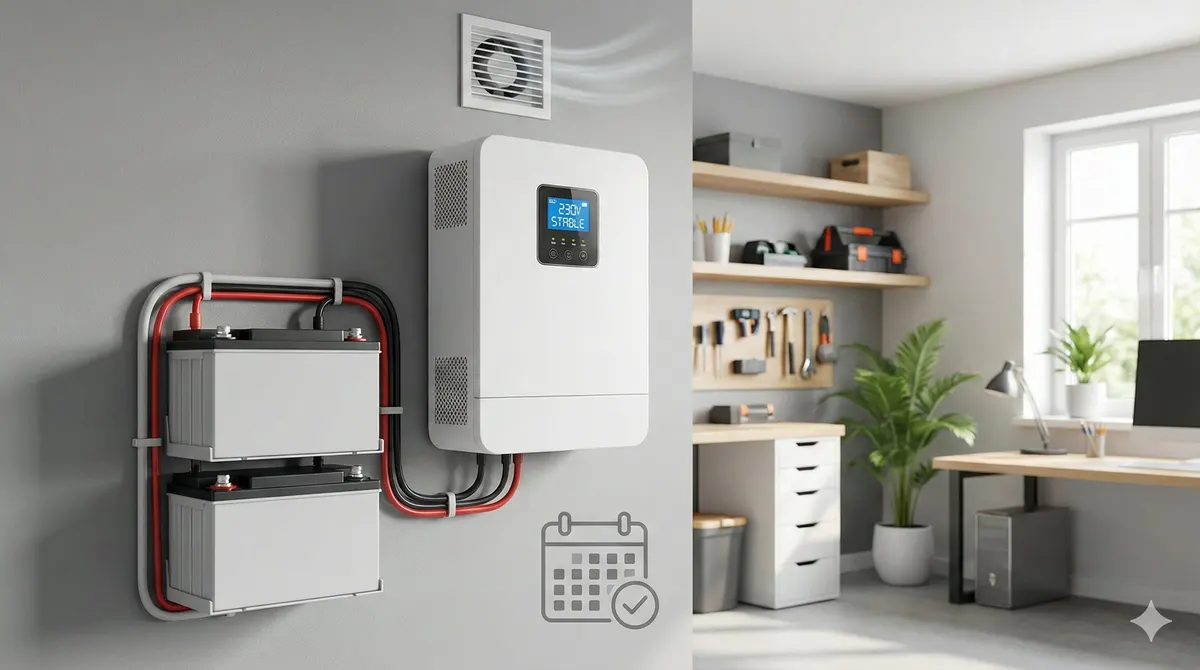
- Ensure proper ventilation: Batteries need airflow to stay cool
- Avoid deep discharge: Don't let battery drain completely regularly
- Full monthly charge: Give battery a complete charge cycle monthly
- Optimal temperature: Keep battery in cool, dry place (15-25°C ideal)
- Use appropriate inverter: Ensure charging current matches battery specs
- Annual inspection: Professional check-up once a year
When to Replace: Making the Decision
Consider replacement when you notice:
- Two or more signs mentioned above
- Battery is 5+ years old (for tubular batteries)
- Frequent power cut issues affecting your routine
- Cost of repairs approaching new battery price
- Safety concerns like swelling or leakage